What is Climate Change?
Climate change refers to long-term shifts in temperatures and weather patterns. These shifts may be natural, but since the 1800s, human activities have been the main driver of climate change, primarily due to the burning of fossil fuels (like coal, oil, and gas), which produces heat-trapping gases.
The Earth's climate has changed throughout history. Just in the last 650,000 years, there have been seven cycles of glacial advance and retreat. The abrupt end of the last ice age about 11,700 years ago marked the beginning of the modern climate era — and of human civilization. Most of these climate changes are attributed to very small variations in Earth's orbit that change the amount of solar energy our planet receives.
Causes of Climate Change
Greenhouse Gas Emissions
The primary cause of climate change is the greenhouse effect. Certain gases in Earth's atmosphere block heat from escaping. This is a natural process that keeps our planet warm enough for life to exist. However, human activities — primarily the burning of fossil fuels — have increased the concentration of these greenhouse gases, enhancing the natural greenhouse effect and causing global warming.
Deforestation
Forests act as carbon sinks, absorbing CO2 from the atmosphere. When forests are cleared or burned, this stored carbon is released back into the atmosphere, contributing to global warming. Deforestation accounts for approximately 15% of all greenhouse gas emissions.

Deforestation reduces Earth's capacity to absorb carbon dioxide
Impacts of Climate Change
Rising Sea Levels
Global sea level has risen about 8-9 inches since 1880, with about a third of that coming in just the last 25 years. The rising water level is mostly due to a combination of meltwater from glaciers and ice sheets and thermal expansion of seawater as it warms.
Extreme Weather Events
Climate change is causing more frequent and intense extreme weather events such as heatwaves, droughts, floods, tropical cyclones, and wildfires. These events can cause death and destruction, damage infrastructure, and disrupt essential services.

Increasing frequency of extreme weather is a direct consequence of climate change
Biodiversity Loss
Many species are being affected by climate change. Some are moving to new areas, others are seeing their populations decline, and some are facing extinction. Coral reefs, which are home to a quarter of all marine life, are particularly vulnerable to warming oceans and ocean acidification.
Understanding Through Video
This video from NASA explains the science behind climate change and how we know it's happening:
The video demonstrates how scientists measure climate change and what the data tells us about our planet's future if we don't take action.
Solutions to Climate Change
Renewable Energy
Transitioning from fossil fuels to renewable energy sources like solar, wind, and hydropower is crucial for reducing greenhouse gas emissions. The cost of renewable energy has dropped significantly in recent years, making it more accessible than ever before.
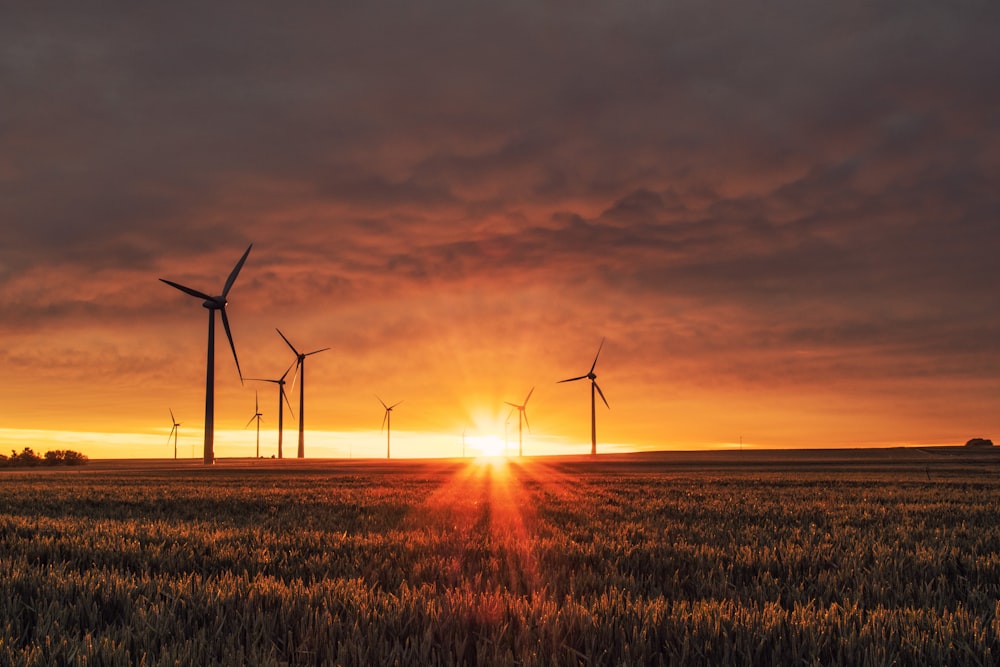
Wind farms provide clean energy without greenhouse gas emissions
Sustainable Transportation
Transportation accounts for a significant portion of global emissions. Switching to electric vehicles, improving public transportation, and promoting walking and cycling can dramatically reduce our carbon footprint.
Reforestation and Conservation
Protecting existing forests and planting new trees is one of the most effective ways to combat climate change. Forests absorb CO2 from the atmosphere and store it in their biomass.
What You Can Do
Individual Actions
While systemic change is necessary, individual actions collectively make a significant impact. Here are some ways you can help:
- Reduce energy consumption at home by using energy-efficient appliances and LED lighting
- Minimize car use by walking, biking, carpooling, or using public transportation
- Reduce, reuse, and recycle to minimize waste
- Eat more plant-based foods and reduce meat consumption
- Support companies with strong environmental policies
- Educate others about climate change and its solutions
- Vote for leaders who prioritize climate action

Every individual action contributes to the collective solution
Remember, no action is too small when it comes to protecting our planet. The choices we make today will determine the world we leave for future generations.